I Love the Warmth of Copper-Part 1
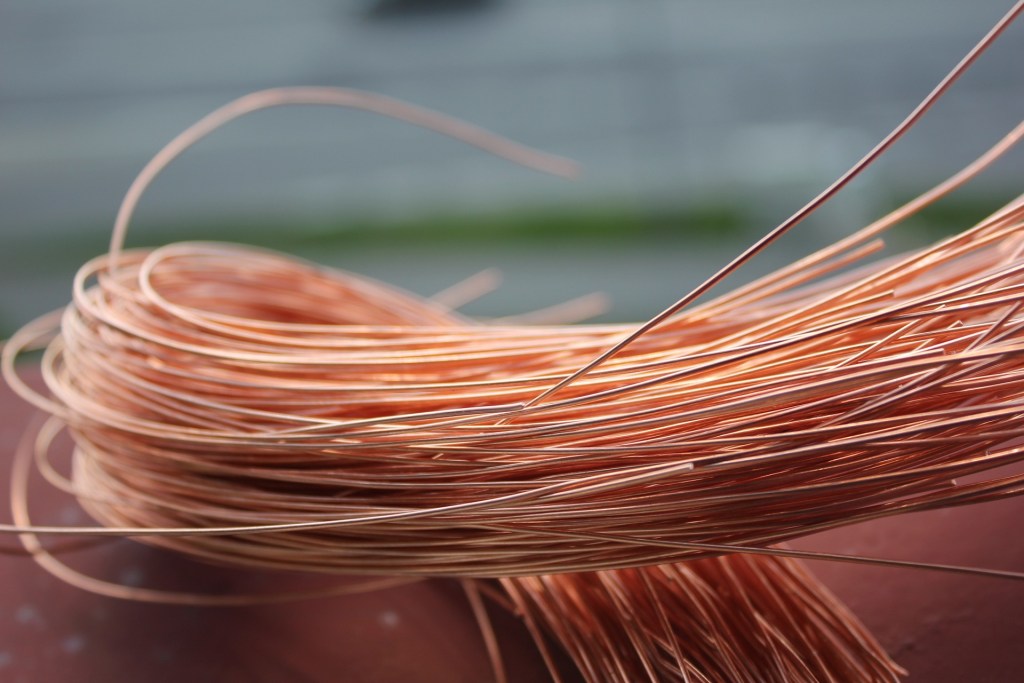
Copper complements almost every skin tone, from pale to dark ebony. That makes it one of the most versatile and adaptable metals in existence. In fact, it’s one of the few metals that are used in their pure forms.
The beauty and versatility of Copper in jewelry create a special kind of magic. It glows with warmth, feels solid yet approachable, and fits just as easily in a high-end gallery as it does on a handmade market table. For small jewelry makers like me, copper is a dream material: affordable, forgiving, and endlessly customizable. For curious consumers, it’s a beautiful way to wear something with real history and character.
Let me walk through why copper is so loved in jewelry making, what makes it unique, how it’s used, and how to care for and style it so it looks its best for years.
Why copper is so popular in jewelry
Ask a room full of makers why they love copper and you’ll hear variations on the same themes:
- It’s beautiful – that rosy, earthy glow is instantly eye-catching.
- It’s versatile – great for bold cuffs, delicate wire wraps, and everything in between.
- It’s approachable – less intimidating (and less expensive) than silver or gold.
- It has soul – it ages, patinas, and tells a story over time.
Whether you’re new to metals or have been wearing copper jewelry for years, copper gives you room to experiment with different, beautiful looks without breaking the bank. Basically, it’s an easy way to own a truly handcrafted piece without luxury-metal pricing.
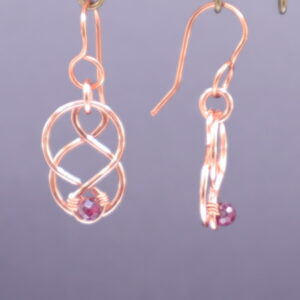
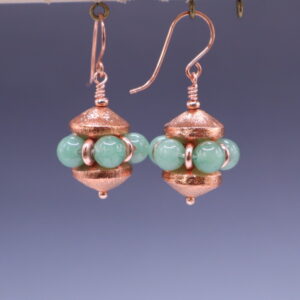
From the Copper Collection
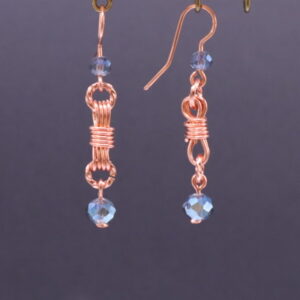
A brief history of copper in adornment
Copper is one of the oldest metals humans worked with. Long before we were casting gold settings or refining silver, people were hammering copper into beads, bangles, and ornaments.
Archaeological finds show copper jewelry in:
- Ancient Egypt – used for bangles, rings, and decorative elements.
- Mesopotamia and the Indus Valley – early bracelets, beads, and ritual pieces.
- Pre‑Columbian Americas – hammered ornaments, beads, and trade goods.
People didn’t just value copper for its looks. Across cultures, it’s been linked with:
- Protection and healing – believed to support the body and ward off illness.
- Status and beauty – shiny metal was rare and prized long before modern mining.
Today, copper maintains that blend of practicality and symbolism. It can look ancient, rustic, minimalist, or ultra-modern depending on how it’s worked.
Properties of copper that make it ideal for jewelry
Copper behaves differently from silver, gold, or steel. Understanding its basic properties helps both makers and consumers appreciate why it’s so beloved.
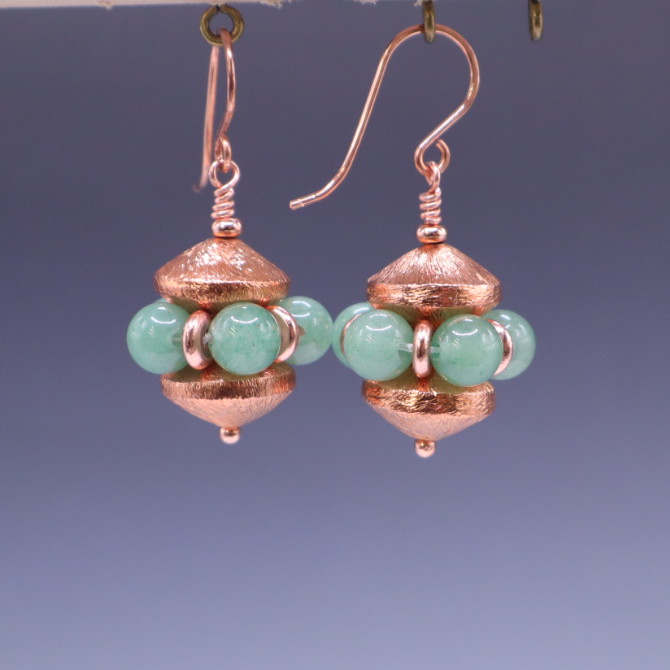
Color and patina
Freshly polished copper has a rich, reddish-orange color with a bright metallic shine. Over time, it reacts with air, moisture, and substances on our skin. This forms surface compounds that change the color of the metal – a process called patination.
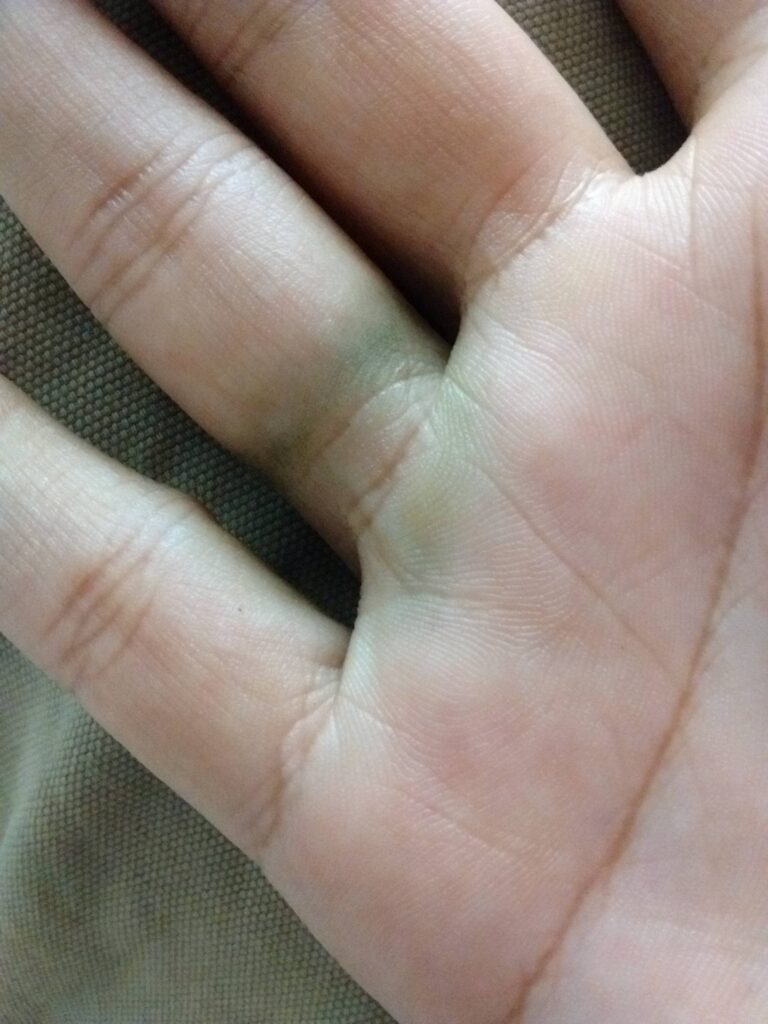
Copper can remain shiny with it’s warm glow, or can be treated to display an antiqued look. Or it can have a green overtone from the patination process.
Common patina stages:
- Bright and shiny – right after polishing or tumbling.
- Warm brown – as light oxides form on the surface.
- Deeper browns or antique tones – with more time and wear.
- Green or blue-green – classic aged copper (think old statues and roofs), usually created intentionally in jewelry using chemicals and controlled conditions.
Jewelry makers may leave copper bright, push it into rich antique browns, or speed up colorful patinas. Consumers can either embrace this evolving character or keep pieces polished and shiny with regular care.
Workability: hammering, forming, and texturing
Copper is soft and malleable, which is a big reason it’s so popular in handmade jewelry.
For makers, that means:
- It’s easier to saw, file, and drill than harder metals.
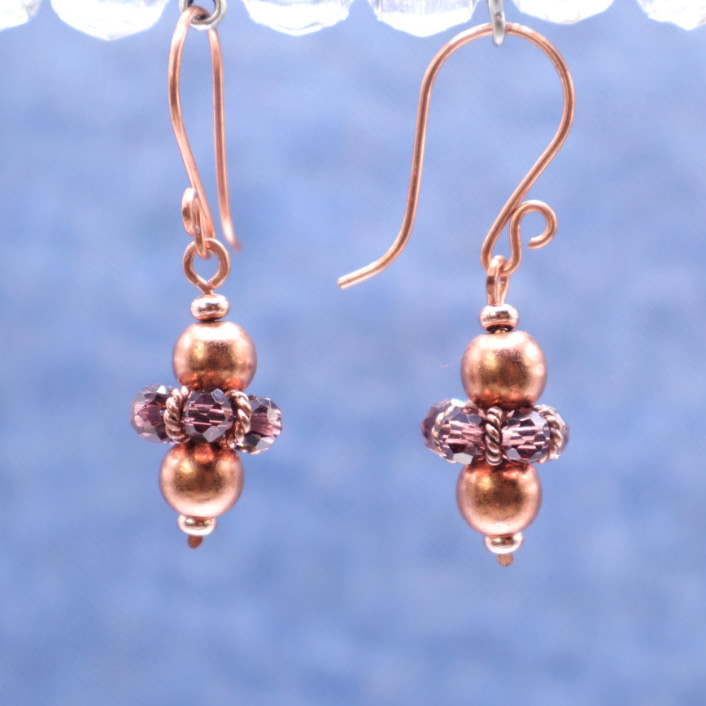
- Square wire twists evenly as seen in many earrings, which feature the Studio’s signature ear wires.
- It responds beautifully to hammering, allowing for:
- Domed shapes
- Fold-formed textures
- Chased or stamped designs
- It’s perfect for wire work – wrapping stones, creating ear wires (with appropriate hardness), and forming decorative spirals.
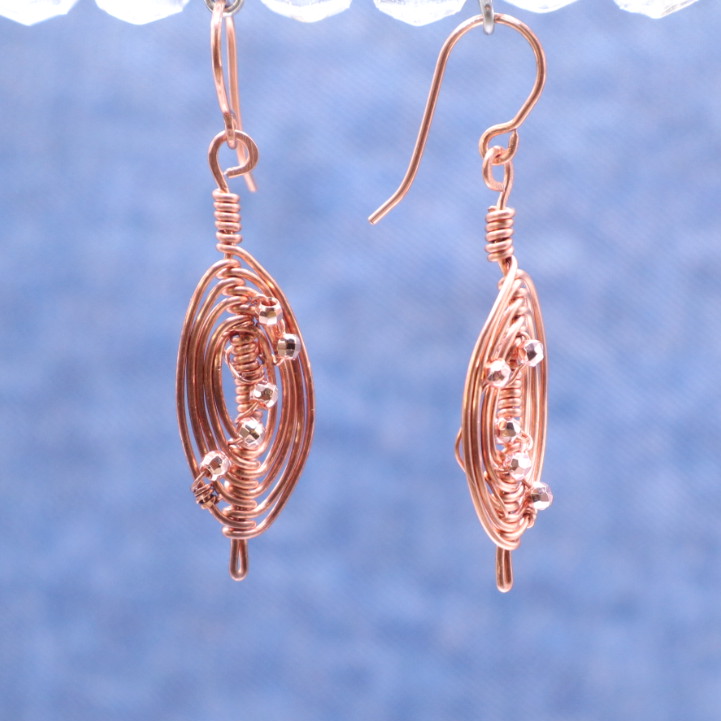
Durability and weight
Despite being softer than stainless steel or titanium, copper is plenty durable for everyday jewelry when properly designed. Interestingly, copper is available in various harness levels, and the process of hammering, or hardening, copper wire makes it durable for years to come.
- It has a comfortable weight – heavier than aluminum, lighter than some dense alloys.
- It’s strong enough for:
- Cuffs and bangles
- Pendants and earrings
- Rings (with reasonable thickness)
Like any metal, very thin or overly delicate copper components can bend, but thoughtful design and work-hardening (hammering or tumbling) create pieces that hold up well. I typically work in dead soft wire (very soft, initially) but after hammering or tumbling, the hardened piece will hold it’s shape for years to come!