I Love the Warmth of Copper-Part 3
Considerations and safety with copper jewelry
Overall, copper is safe for most people, but there are a few practical points to understand.
Skin discoloration and why it happens
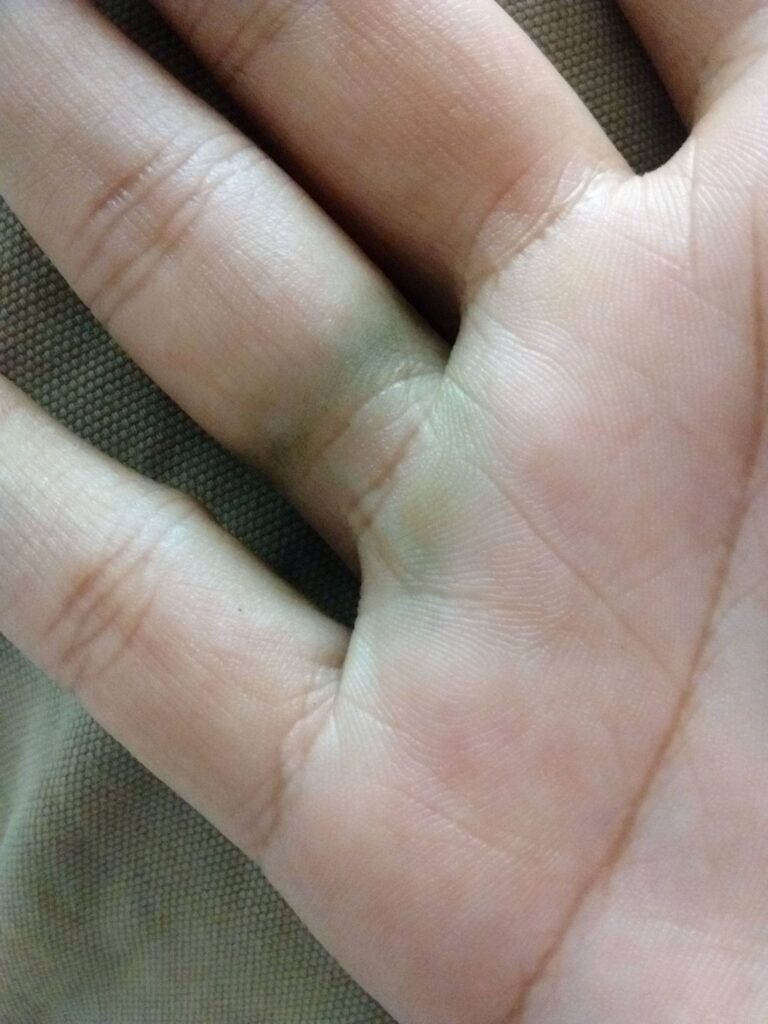
One of the most common questions about copper jewelry is: “Why does it turn my skin green?” Here’s the simple explanation:
- Copper reacts with sweat, moisture, and the natural acids and salts on your skin.
- Those reactions form copper salts (like copper chlorides and carbonates).
- These have a greenish color and can rub off onto your skin.
This is usually:
- Harmless
- Not painful
- Not an allergy (just a surface stain)
You can often wash it off with soap and water. Some people never notice this effect; others see it quickly, especially in hot weather or if they sweat more.
How to reduce green staining:
- Keep skin dry under tight-fitting pieces like rings and cuffs.
- Remove copper jewelry before workouts, swimming, or showering.
- Ask the maker if they’ve sealed the inside surface with a clear protective coating.
- Use a clear barrier (like a jewelry-safe sealant) on the parts that touch your skin.
Copper sensitivity and allergies
True allergy to copper itself is relatively rare. Most contact allergies in jewelry are caused by nickel or occasionally other alloy components. It’s one of the reasons I find copper to appealing. Actual allergies to copper are almost nonexistent.
Warning signs of an allergic reaction:
- Redness
- Itching
- Rash or small blisters
- Burning or soreness under the jewelry
If you notice these symptoms instead of just a green stain, remove the piece and let your skin recover. If it persists, a dermatologist or healthcare provider can help identify what you’re reacting to.
Lead- and nickel-free considerations
For conscious consumers, it’s important to know that I use only pure, jewelry-grade copper:
- I purchase from reputable suppliers in the jewelry industry.
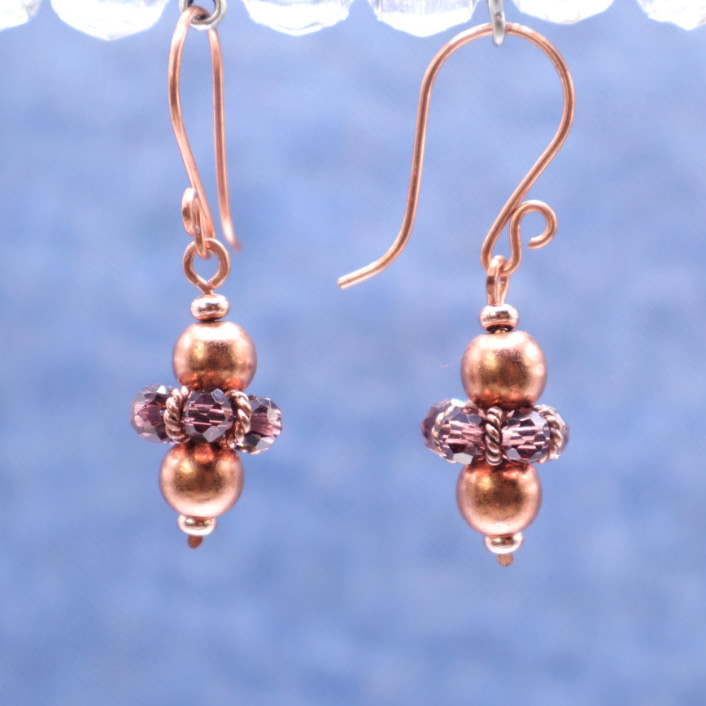
- For pieces that actually stay in contact with the skin (like ear wires on earrings), there are no nickel or zinc mixes. It’s just copper.
- Buying materials from reputable suppliers means there are no unwanted metals.
Caring for and cleaning copper jewelry
Copper is relatively low-maintenance if you understand how to work with its natural tendencies.
Preventing tarnish
You can’t completely stop copper from reacting with air and moisture, but you can slow the process.
Simple habits help a lot:
- Last on, first off – put on copper jewelry after makeup, lotions, and perfume; take it off before washing or sleeping.
- Avoid water and chemicals – remove copper before swimming, showering, or cleaning.
- Wipe after wear – use a soft cloth to gently remove skin oils and sweat.
- Store smart:
- In a dry place
- In individual pouches or boxes
- Away from rubber bands, some foams, and strong household cleaners that can speed corrosion
Simple home cleaning methods
When copper jewelry starts to look dull, try the gentlest method first, although my personal favorite is white vinegar and salt.
- White vinegar (or fresh lemon juice) and salt
- To restore much of the original shine, dissolve a tablespoon or so of common salt in in a half cup of white vinegar or fresh lemon juice.
- Swirl the piece in the mixture and watch it come to life.
- This can be done with jewelry that features natural lapidary gemstones, glass, crystal, and even pearls. Note: You should not submerge pearls for long periods of time in vinegar – use lemon juice instead. And don’t leave any jewelry sitting in either solution. Swirl it around, rinse it off with tap water, and dry it. It should not be used on jewelry with painted or coated beads. Ask before you go this route.
- Soap and water
- Mix lukewarm water with a small amount of mild, pH-neutral soap.
- Dip a soft cloth into the solution and gently wipe the jewelry.
- Rinse with clean water and dry thoroughly with a soft towel.
- Jeweler’s polishing cloth
- Use a cloth designed for metal jewelry to bring back shine.
- Rub gently; avoid over-polishing areas with intentional patina.
- Mild commercial copper polish (sparingly)
- If a piece is heavily tarnished and you want it bright, a gentle copper polish can help.
- Follow the product instructions.
- Rinse thoroughly and dry completely.
Avoid harsh abrasives (like scouring pads) or strong chemicals (bleach, ammonia) – they can damage both the metal and any stones or finishes.
If you have purchased copper jewelry from me and are unsure, just reach out. I’m happy to help!
Embracing patina vs. keeping it shiny
One of the beautiful things about copper is that it changes. Some people love a bright, shiny look; others prefer a rich, aged patina.
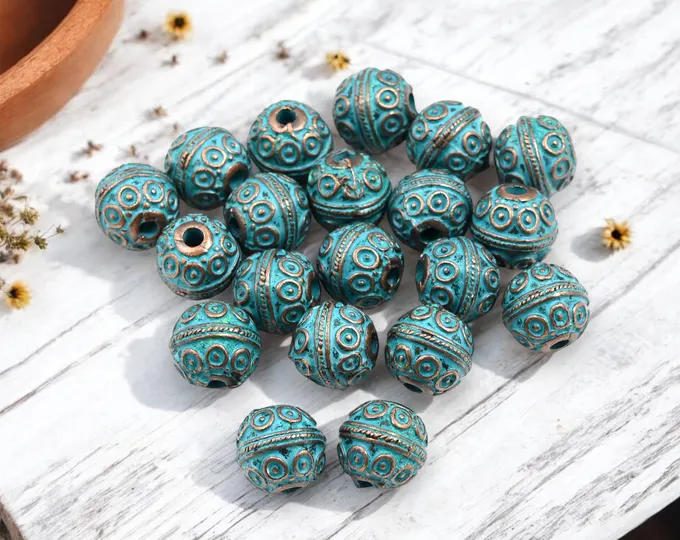
In fact, I often include patinaed materials in my jewelry. Admittedly green is my signature color, so I’m fond of the look. But in all seriousness, it does lend an earthy look to copper.
When you think about it, we often purchase verdigris items for house and yard decor. What is that if now jewelry for your surroundings?
You might choose to:
- Keep it bright
- Regularly polish and clean.
- Store in an airtight container with anti-tarnish strips.
- Ask the maker about sealed finishes that hold shine longer.
- Embrace the patina
- Let the piece darken naturally.
- Clean gently to remove only dirt, not color.
- Enjoy the unique character your jewelry develops over time.
There’s no wrong answer – it’s about your personal style.
copper’s place in modern jewelry collections
Copper may be one of the oldest metals in human history, but it feels right at home in modern jewelry boxes. For those of us who craft copper work, it’s a forgiving, friendly medium. It handles textures well, and the variety of color in different degrees of patina can be beautiful.
For the wearer, it brings a distinctive warm glow that just stands out from silver and gold. The charm of artisan work from pieces that evolve over time tell a story as they’re being worn.