I Love the Warmth of Copper-Part 1

Copper complements almost every skin tone, from pale to dark ebony. That makes it one of the most versatile and adaptable metals in existence. In fact, it’s one of the few metals that are used in their pure forms.
The beauty and versatility of Copper in jewelry create a special kind of magic. It glows with warmth, feels solid yet approachable, and fits just as easily in a high-end gallery as it does on a handmade market table. For small jewelry makers like me, copper is a dream material: affordable, forgiving, and endlessly customizable. For curious consumers, it’s a beautiful way to wear something with real history and character.
Let me walk through why copper is so loved in jewelry making, what makes it unique, how it’s used, and how to care for and style it so it looks its best for years.
Why copper is so popular in jewelry
Ask a room full of makers why they love copper and you’ll hear variations on the same themes:
- It’s beautiful – that rosy, earthy glow is instantly eye-catching.
- It’s versatile – great for bold cuffs, delicate wire wraps, and everything in between.
- It’s approachable – less intimidating (and less expensive) than silver or gold.
- It has soul – it ages, patinas, and tells a story over time.
Whether you’re new to metals or have been wearing copper jewelry for years, copper gives you room to experiment with different, beautiful looks without breaking the bank. Basically, it’s an easy way to own a truly handcrafted piece without luxury-metal pricing.
A brief history of copper in adornment
Copper is one of the oldest metals humans worked with. Long before we were casting gold settings or refining silver, people were hammering copper into beads, bangles, and ornaments.
Archaeological finds show copper jewelry in:
- Ancient Egypt – used for bangles, rings, and decorative elements.
- Mesopotamia and the Indus Valley – early bracelets, beads, and ritual pieces.
- Pre‑Columbian Americas – hammered ornaments, beads, and trade goods.
People didn’t just value copper for its looks. Across cultures, it’s been linked with:
- Protection and healing – believed to support the body and ward off illness.
- Status and beauty – shiny metal was rare and prized long before modern mining.
Today, copper maintains that blend of practicality and symbolism. It can look ancient, rustic, minimalist, or ultra-modern depending on how it’s worked.
Properties of copper that make it ideal for jewelry
Copper behaves differently from silver, gold, or steel. Understanding its basic properties helps both makers and consumers appreciate why it’s so beloved.
Color and patina
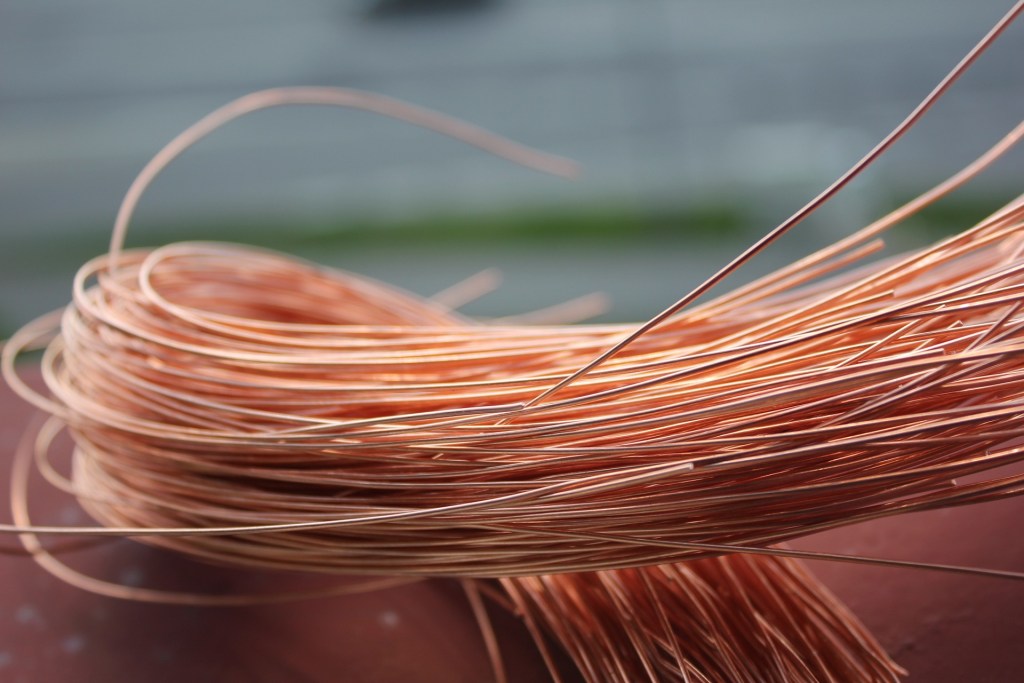
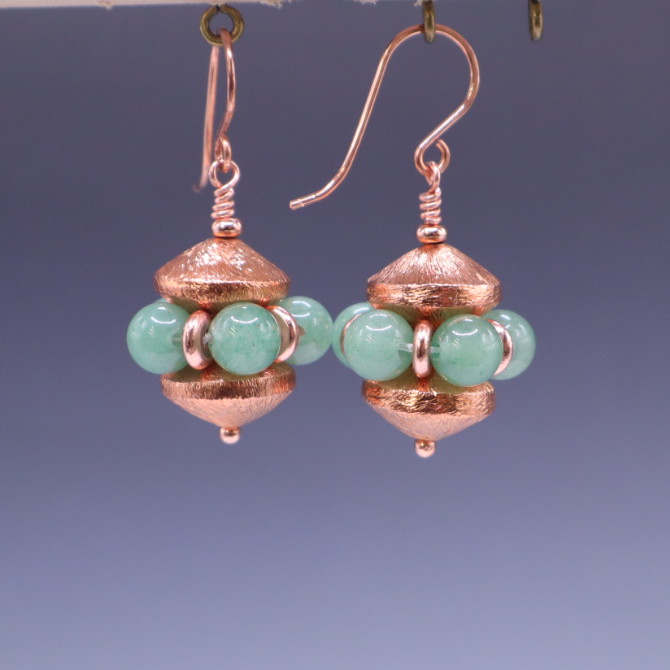
Freshly polished copper has a rich, reddish-orange color with a bright metallic shine. Over time, it reacts with air, moisture, and substances on our skin. This forms surface compounds that change the color of the metal – a process called patination.
Copper can remain shiny with it’s warm glow, or can be treated to display an antiqued look. Or it can have a green overtone from the patination process.
Common patina stages:
- Bright and shiny – right after polishing or tumbling.
- Warm brown – as light oxides form on the surface.
- Deeper browns or antique tones – with more time and wear.
- Green or blue-green – classic aged copper (think old statues and roofs), usually created intentionally in jewelry using chemicals and controlled conditions.
Jewelry makers may leave copper bright, push it into rich antique browns, or speed up colorful patinas. Consumers can either embrace this evolving character or keep pieces polished and shiny with regular care.
Workability: hammering, forming, and texturing
Copper is soft and malleable, which is a big reason it’s so popular in handmade jewelry.
For makers, that means:
- It’s easier to saw, file, and drill than harder metals.
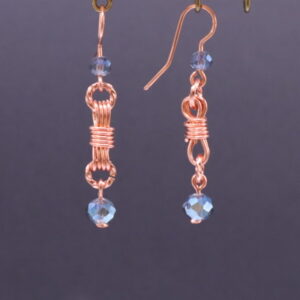
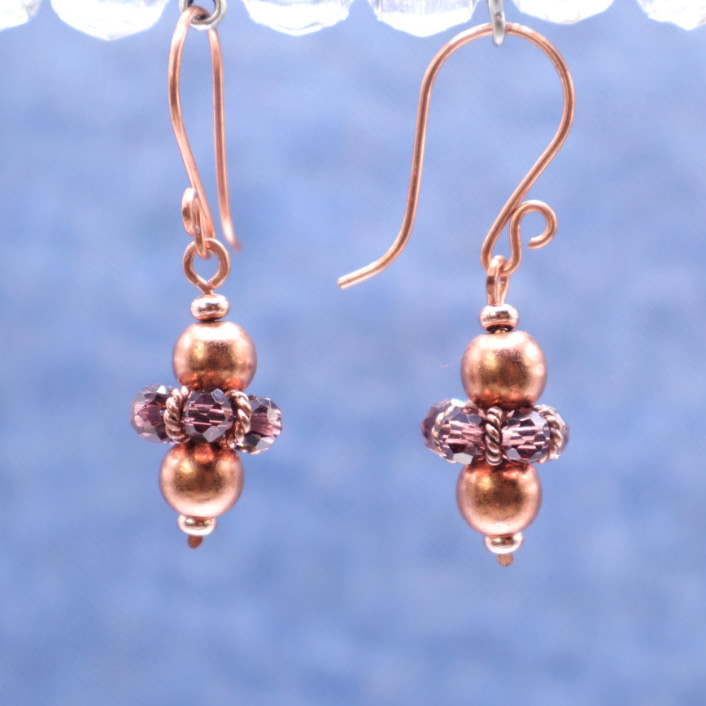
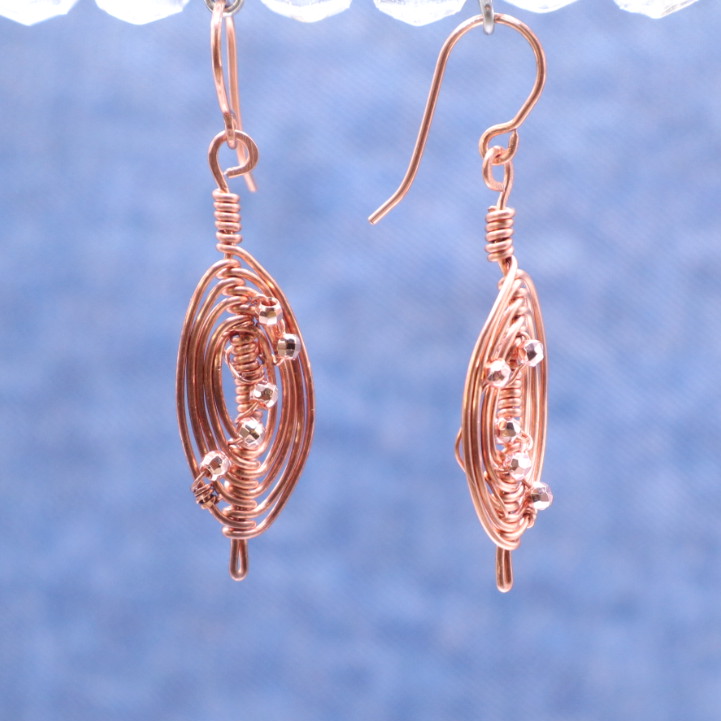
- Square wire twists evenly as seen in many earrings, which feature the Studio’s signature ear wires.
- It responds beautifully to hammering, allowing for:
- Domed shapes
- Fold-formed textures
- Chased or stamped designs
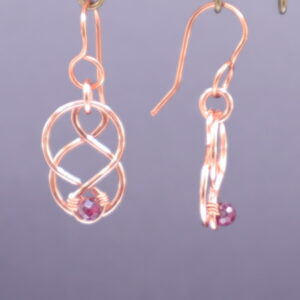
- It’s perfect for wire work – wrapping stones, creating ear wires (with appropriate hardness), and forming decorative spirals.
Durability and weight
Despite being softer than stainless steel or titanium, copper is plenty durable for everyday jewelry when properly designed. Interestingly, copper is available in various harness levels, and the process of hammering, or hardening, copper wire makes it durable for years to come.
- It has a comfortable weight – heavier than aluminum, lighter than some dense alloys.
- It’s strong enough for:
- Cuffs and bangles
- Pendants and earrings
- Rings (with reasonable thickness)
Like any metal, very thin or overly delicate copper components can bend, but thoughtful design and work-hardening (hammering or tumbling) create pieces that hold up well.
Common types of copper jewelry
Copper shows up in jewelry in several forms, from pure metal to rich alloys and mixed-metal designs.
Solid copper pieces
These are made from almost pure copper, usually in sheet, wire, or cast form. Typical examples include:
- Hammered cuffs
- Simple or textured rings
- Pendants and charms
- Wire-wrapped pieces like earrings and bracelets
Solid copper showcases that unmistakable warm color and develops a natural patina with wear.
Copper alloys: bronze, Brass, and even Gold!
Copper loves to team up with other metals:
- Bronze – primarily copper and tin. It leans more brown or reddish-brown and has a long history in sculpture and jewelry.
- Brass – primarily copper and zinc. It has a gold-like yellow tone and is popular as a more affordable alternative to gold-colored pieces.
- Rose gold – created by mixing about 25% copper and 75% gold
Even when you don’t see “copper” in the name, these alloys are often chosen because copper gives them:
- Their color
- Their workability
- Their tendency to tarnish and develop character over time
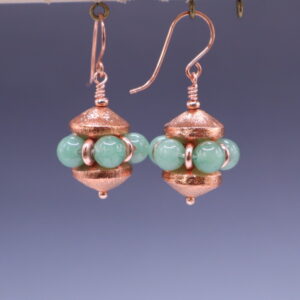
Copper with gemstones, enamel, and mixed metals
Copper plays extremely well with other materials:
Benefits of copper jewelry
When considering copper jewelry, there are some clear advantages.
Affordability
Compared to silver and gold, copper is much more budget-friendly. That means:
- Makers can experiment with new techniques without fear of ruining pricey metal.
- Customers can purchase larger, more detailed pieces for a fraction of the cost of precious metals.
This affordability is a big reason copper shows up frequently in artisan markets, student collections, and small-batch jewelry lines.
Unique warm aesthetic
Copper has a look all its own:
- Warm, earthy glow
- Complements a wide range of skin tones
- Pairs beautifully with natural stones, wood, and leather
If you like jewelry that feels organic, bohemian, or slightly rustic (in a good way), copper fits right in. It can also be finished super clean and modern for a more minimal, contemporary style.
Handcrafted and artisan appeal
You’ll often see copper used by independent makers and artisans because:
- It’s accessible in small quantities.
- It responds dramatically to hand techniques like hammering and texturing.
- Each piece tends to develop its own one-of-a-kind surface.
For buyers, that means copper jewelry often carries a more personal, handcrafted feel than mass-produced pieces.
Considerations and safety with copper jewelry
Overall, copper is safe for most people, but there are a few practical points to understand.
Skin discoloration and why it happens
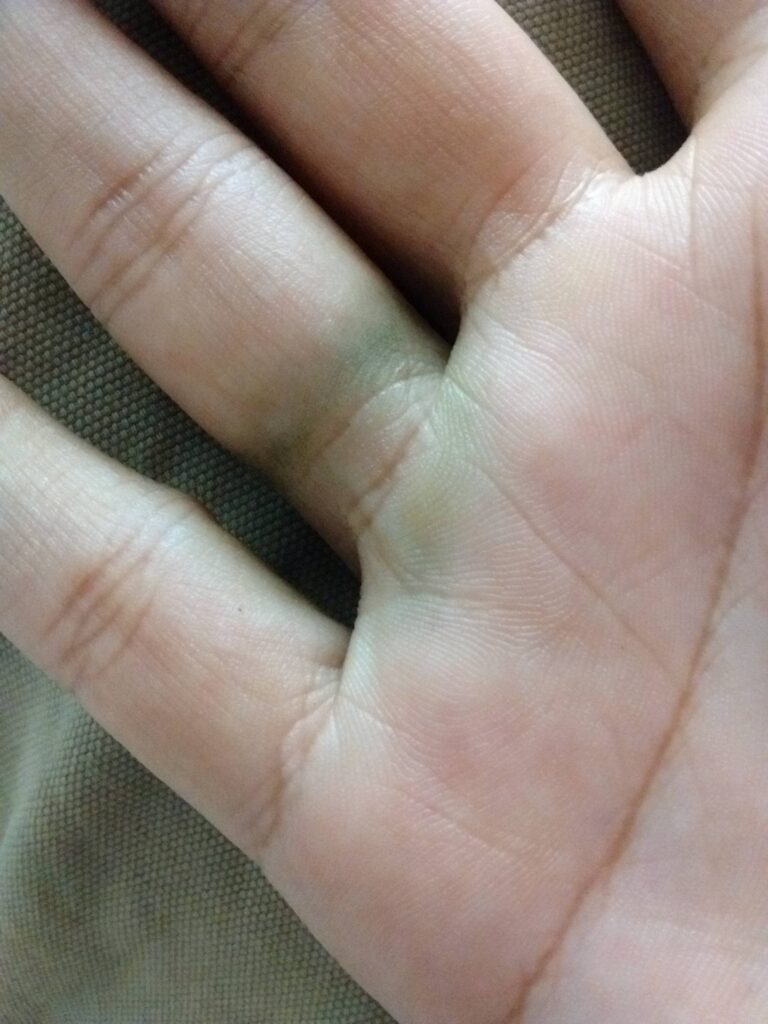
One of the most common questions about copper jewelry is: “Why does it turn my skin green?”
Here’s the simple explanation:
- Copper reacts with sweat, moisture, and the natural acids and salts on your skin.
- Those reactions form copper salts (like copper chlorides and carbonates).
- These have a greenish color and can rub off onto your skin.
This is usually:
- Harmless
- Not painful
- Not an allergy (just a surface stain)
You can often wash it off with soap and water. Some people never notice this effect; others see it quickly, especially in hot weather or if they sweat more.
How to reduce green staining:
- Keep skin dry under tight-fitting pieces like rings and cuffs.
- Remove copper jewelry before workouts, swimming, or showering.
- Ask the maker if they’ve sealed the inside surface with a clear protective coating.
- Use a clear barrier (like a jewelry-safe sealant) on the parts that touch your skin.
Copper sensitivity and allergies
True allergy to copper itself is relatively rare. Most contact allergies in jewelry are caused by nickel or occasionally other alloy components. It’s one of the reasons I find copper to appealing. Actual allergies to copper are almost nonexistent.
Warning signs of an allergic reaction:
- Redness
- Itching
- Rash or small blisters
- Burning or soreness under the jewelry
If you notice these symptoms instead of just a green stain, remove the piece and let your skin recover. If it persists, a dermatologist or healthcare provider can help identify what you’re reacting to.
Lead- and nickel-free considerations
For conscious consumers, it’s important to know that I use only pure, jewelry-grade copper:
- I purchase from reputable suppliers in the jewelry industry.
- For pieces that actually stay in contact with the skin (like ear wires on earrings), there are no nickel or zinc mixes. It’s just copper.
- Buying materials from reputable suppliers means there are no unwanted metals.
Caring for and cleaning copper jewelry
Copper is relatively low-maintenance if you understand how to work with its natural tendencies.
Preventing tarnish
You can’t completely stop copper from reacting with air and moisture, but you can slow the process.
Simple habits help a lot:
- Last on, first off – put on copper jewelry after makeup, lotions, and perfume; take it off before washing or sleeping.
- Avoid water and chemicals – remove copper before swimming, showering, or cleaning.
- Wipe after wear – use a soft cloth to gently remove skin oils and sweat.
- Store smart:
- In a dry place
- In individual pouches or boxes
- Away from rubber bands, some foams, and strong household cleaners that can speed corrosion
Simple home cleaning methods
When copper jewelry starts to look dull, try the gentlest method first.
- Soap and water
- Mix lukewarm water with a small amount of mild, pH-neutral soap.
- Dip a soft cloth into the solution and gently wipe the jewelry.
- Rinse with clean water and dry thoroughly with a soft towel.
- Jeweler’s polishing cloth
- Use a cloth designed for metal jewelry to bring back shine.
- Rub gently; avoid over-polishing areas with intentional patina.
- Mild commercial copper polish (sparingly)
- If a piece is heavily tarnished and you want it bright, a gentle copper polish can help.
- Follow the product instructions.
- Rinse thoroughly and dry completely.
- Lemon juice and salt
- To restore much of the original shine, dissolve salt in fresh lemon juice.
- Swirl the piece in the mixture and watch it come to life.
- This can be done with jewelry that features natural lapidary gemstones and glass or crystal. It should not be used on jewelry with beads that are painted or coated. Ask before you go this route.
Avoid harsh abrasives (like scouring pads) or strong chemicals (bleach, ammonia) – they can damage both the metal and any stones or finishes.
Embracing patina vs. keeping it shiny
One of the beautiful things about copper is that it changes. Some people love a bright, shiny look; others prefer a rich, aged patina.
You might choose to:
- Keep it bright
- Regularly polish and clean.
- Store in an airtight container with anti-tarnish strips.
- Ask the maker about sealed finishes that hold shine longer.
- Embrace the patina
- Let the piece darken naturally.
- Clean gently to remove only dirt, not color.
- Enjoy the unique character your jewelry develops over time.
There’s no wrong answer – it’s about your personal style.
Why copper deserves a place in modern jewelry collections
Copper may be one of the oldest metals in human history, but it feels right at home in modern jewelry boxes.
For makers, it offers:
- A friendly learning material for new techniques.
- Endless room for creativity in texture, form, and patina.
- A way to offer truly handmade pieces at accessible prices.
For wearers, it brings:
- A distinctive warm glow that stands out from silver and gold.
- The charm of artisan work and small-batch craftsmanship.
- Pieces that evolve over time, telling a story as they’re worn.
Whether you’re hammering your first copper cuff at the bench or choosing a special piece to add to your collection, copper is a beautiful, versatile, and soulful metal that absolutely deserves its place in today’s jewelry world.