I Love the Warmth of Copper-Part 2
Workability: hammering, forming, and texturing
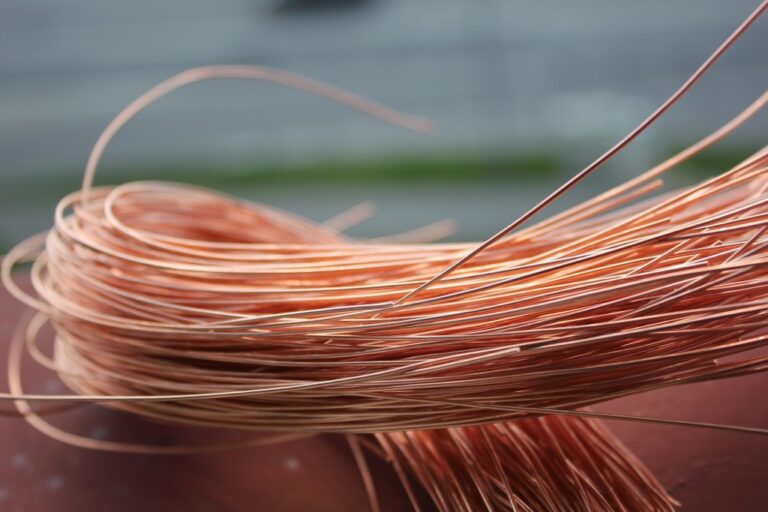
Copper is soft and malleable, which is a big reason it’s so popular in handmade jewelry.
For makers, that means:
- It’s easier to shape than harder metals.
- Square wire twists evenly as featured in the Studio’s signature ear wires.
- It responds beautifully to hammering,
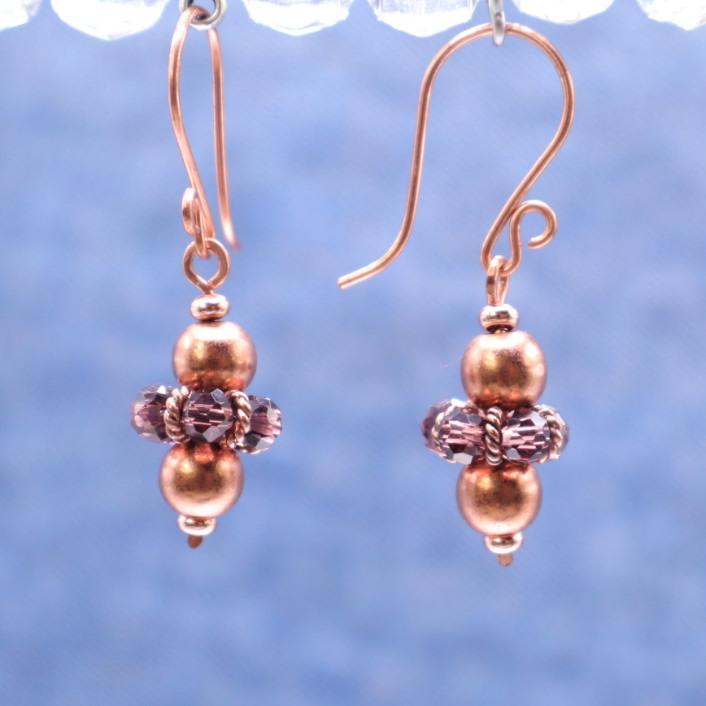
- It’s perfect for wire work – wrapping stones, creating ear wires and forming decorative spirals.
Durability and weight
Despite being softer than stainless steel or titanium, copper is plenty durable for everyday jewelry when properly designed. Interestingly, copper is available in various harness levels, and the process of hammering, or hardening, copper wire makes it durable for years to come.
It has a comfortable weight – heavier than aluminum, and lighter than some dense alloys, as well as brass, gold, and sterling silver. Like any metal, very thin or overly delicate copper components can bend, but thoughtful design and work-hardening (hammering or tumbling) create pieces that hold up well.
Common types of copper jewelry
Copper shows up in jewelry in several forms, from pure metal to rich alloys and mixed-metal designs.
Solid copper pieces
These are made from almost pure copper, usually in sheet, wire, or cast form. Typical examples include:
- Hammered cuffs
- Simple or textured rings
- Pendants and charms
- Wire-wrapped pieces like earrings and bracelets
Solid copper showcases that unmistakable warm color and develops a natural patina with wear.
Copper alloys: bronze, Brass, and even Gold!
Most people don’t realize that Copper loves to team up with other metals. Even when you don’t see “copper” in the name, these alloys are often chosen because copper gives them
- Bronze – primarily copper and tin. It leans more brown or reddish-brown and has a long history in sculpture and jewelry.
- Brass – primarily copper and zinc. It has a gold-like yellow tone and is popular as a more affordable alternative to gold-colored pieces.
- Rose gold – created by mixing about 25% copper and 75% gold
Copper with gemstones, enamel, Glass and Crystal, and mixed metals
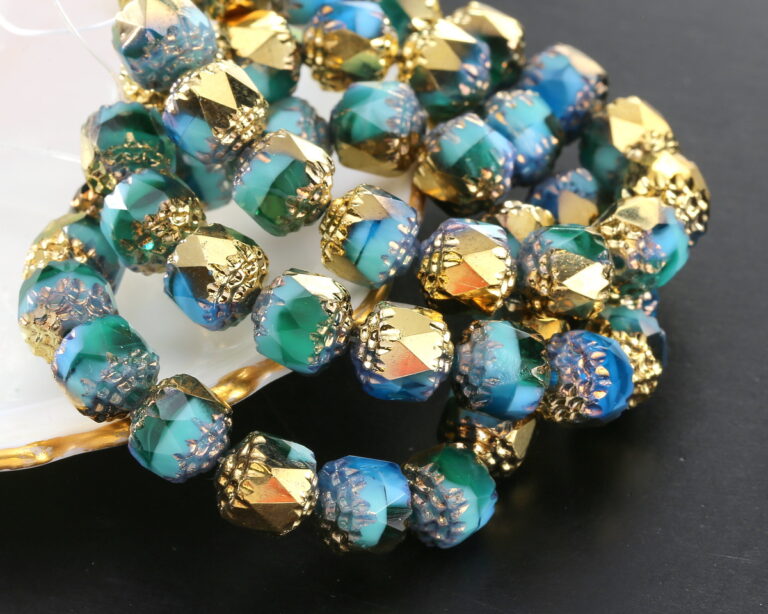
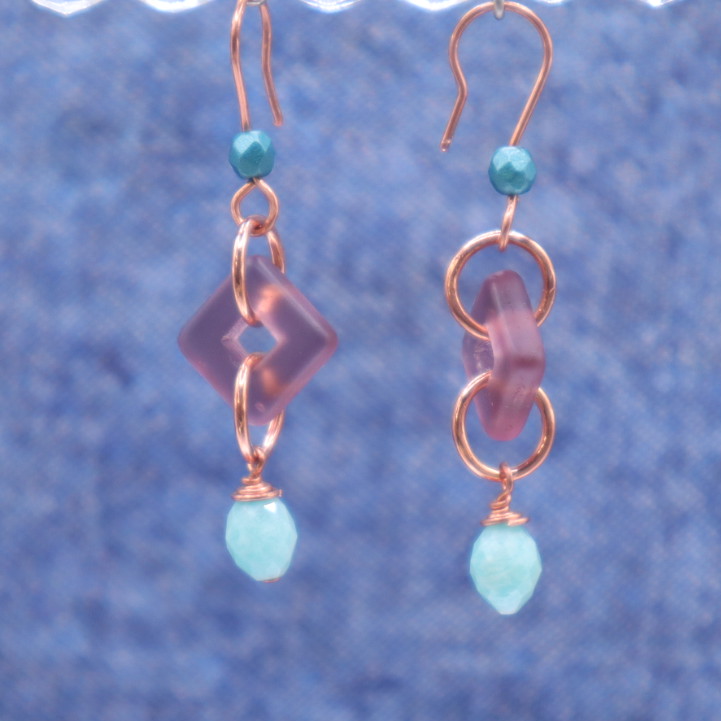
Copper plays extremely well with other materials. Its warmth pairs nicely with almost every color of gemstone and glass or crystal bead. It offers a warmth that you just don’t find in other cool-colored metals.
Even when pared with cool-colored accents, Copper’s warmth enhances color and hue.
Benefits of copper jewelry
When considering copper jewelry, there are some clear advantages.
Affordability
Compared to silver and gold, copper is much more budget-friendly. That means:
- Makers can experiment with new techniques without fear of ruining pricey metal.
- Customers can purchase otherwise more expensive pieces for a fraction of the cost of precious metals.
This affordability is a big reason copper shows up frequently in artisan markets, student collections, and small-batch jewelry lines.
Unique warm aesthetic
Copper has a look all its own. In everything from a finished product, to a component, it’s unique characteristics are seen:
- Warm, earthy glow
- Complements a wide range of skin tones
- Pairs beautifully with natural stones, wood, and leather
If you like jewelry that feels organic, bohemian, or slightly rustic (in a good way), copper fits right in. It can also be finished super clean and modern for a more minimal, contemporary style.
Handcrafted and artisan appeal
You’ll often see copper used by independent makers and artisans because:
- It’s accessible in small quantities.
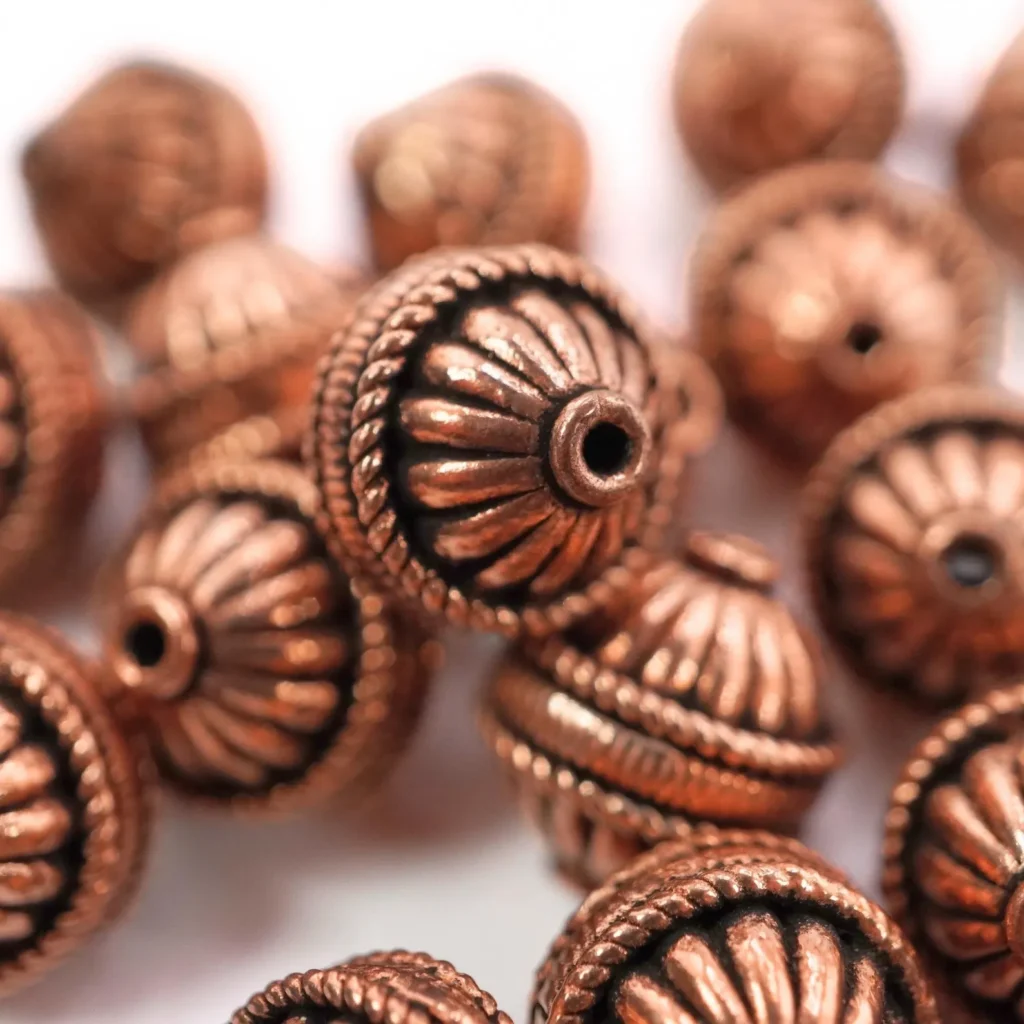
- It responds dramatically to hand techniques like hammering and texturing.
- Each piece tends to develop its own one-of-a-kind surface.
For buyers, that means copper jewelry often carries a more personal, handcrafted feel than mass-produced pieces.